
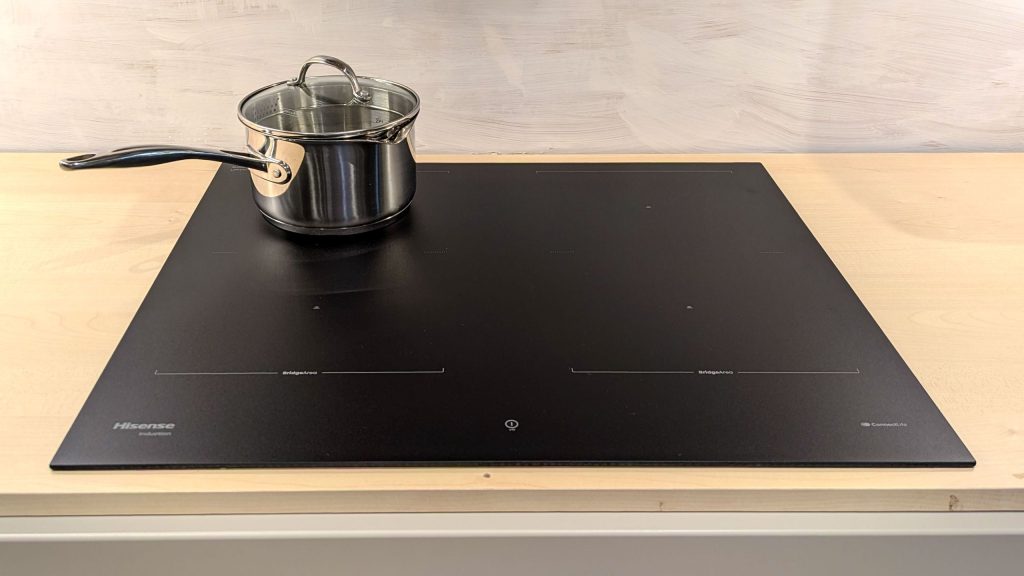
Staring at a stubborn, milky haze on your glass induction cooktop after wiping it down can be frustrating. That cloudy white film rarely signals permanent damage, as it is usually caused by mineral scaling, leftover soap residue, or microscopic metal transfer from cookware.
This cleaning guide outlines how to safely eliminate hazy residue from glass-ceramic induction cooktops using household white vinegar or dedicated cleansers like Bar Keepers Friend Cooktop Cleaner. It details the underlying causes of cooktop discoloration and explains why abrasive scrubbers must be avoided to prevent micro-scratching the surface.
Overview of Induction Cooktop Stain Removal Methods
| Cleaning Method | Primary Target | Required Dwell Time | Recommended Tools |
|---|---|---|---|
| White Vinegar Soak | Light mineral deposits, hard water stains, dried soap film | 30 minutes to overnight | Soft towel, damp microfiber cloth |
| Cooktop Cleanser Cream | Stubborn metal transfer, baked-on grease, deep cloudiness | 1 to 2 minutes | Non-abrasive sponge, soft polishing cloth |
What Causes White Haze on Glass-Ceramic Stovetops?
Induction stovetops present a sleek aesthetic, but their smooth glass-ceramic surfaces highlight minor surface deposits. The most persistent cause of white clouding is metal transfer. Under high heating temperatures, microscopic metal particles from the bottom of pots and pans dislodge and embed into the glass surface through a process called displacement.
Additional sources of discoloration include:
- Hard Water Minerals: Evaporated tap water leaves behind stubborn calcium and magnesium scaling.
- Baked-On Food Residue: Carbohydrates and fats scorch directly onto the cooking zones during operation.
- Surfactant Buildup: Synthetic dish soaps and standard antibacterial kitchen sprays can leave a thin film that bakes into the glass under heat.
The Scrubbing Mistake That Causes Permanent Damage
When daily spray cleansers fail, it is tempting to reach for heavy-duty scouring tools like steel wool, abrasive scrubbing sponges, or melamine eraser pads. Avoid these aggressive products entirely. Glass-ceramic stovetops are susceptible to scratch damage, and harsh abrasives create thousands of micro-fine scratches.
Micro-scratches permanently destroy the high-gloss luster of the glass. Over time, these micro-grooves capture dirt and grease, making future stains significantly harder to lift. Protect your appliance by working exclusively with non-abrasive sponges, soft cotton towels, and fine microfiber cloths.
Step-by-Step Instructions to Restore Cooktop Clarity
Method 1: The Acidic Vinegar Soak
White vinegar contains natural acetic acid, which effectively dissolves basic alkaline mineral deposits without etching glass surface coatings.
Wait until the induction cooktop is completely cool to the touch. Saturate a clean hand towel or microfiber cloth in standard white vinegar and lay it flat over the cloudy sections. Allow the soaked towel to sit for at least 30 minutes, or overnight for heavy mineral buildup. Once the dwell time is complete, remove the towel and wipe the loosened residue away with a damp microfiber cloth before drying thoroughly.
Method 2: Non-Abrasive Cleanser Cream
If white cloudiness persists after a vinegar treatment, transition to a dedicated non-abrasive stovetop cleanser, such as the specialized liquid formula of Bar Keepers Friend Cooktop Cleaner (avoid coarse powdered scouring formulas).
Apply a small amount of liquid cooktop cleanser directly onto the hazy areas. Gently buff the surface in overlapping circular motions using a soft, non-abrasive pad. Let the cream rest on the glass for one to two minutes to break down oxidized metal particles. Wipe off the cleanser thoroughly using a clean, damp cloth, dry the surface, and finish with a light glass spray for a streak-free shine.
Frequently Asked Questions
Can I use standard powdered cleansers on my induction cooktop?
No, standard scouring powders contain harsh abrasive particles that will dull and scratch glass-ceramic surfaces. Always opt for liquid or cream cleansers specifically labeled safe for smooth cooktops.
Why is white vinegar effective against cooktop haze?
White vinegar contains mild acetic acid, which chemically neutralizes alkaline mineral scale and breaks down dried detergent residues that regular dish soap leaves behind.
Will metal transfer harm the heating performance of an induction stove?
Metal transfer affects the cosmetic clarity of the glass rather than the magnetic induction coils beneath. However, removing the buildup prevents the metal particles from scorching further into the surface during high-heat cooking.