
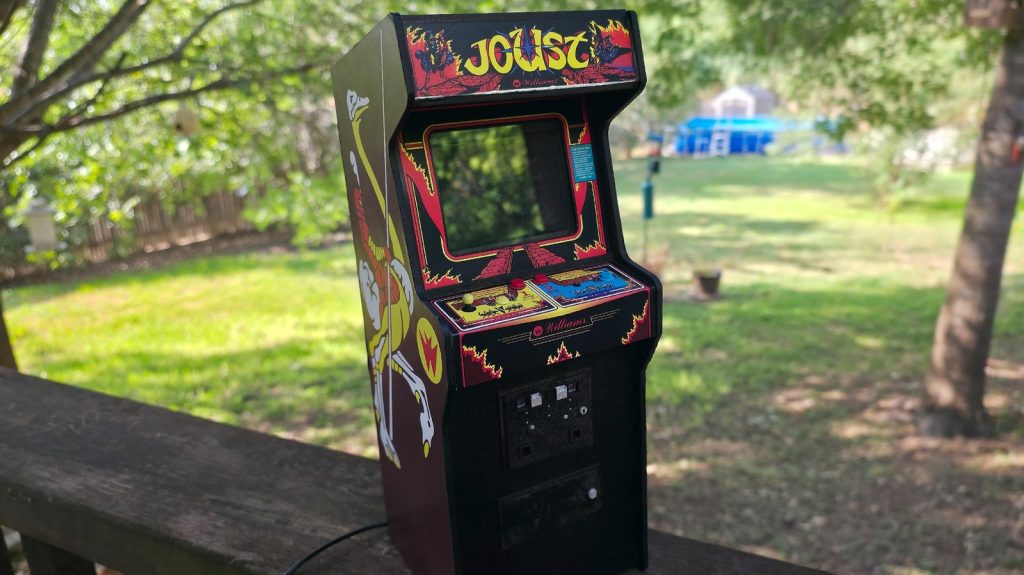
Stepping into a 1980s arcade meant feeding quarters into booming cabinets surrounded by flashing lights and neon signs. Today, adult gamers are recreating that golden age right on their desks through playable, hyper-detailed scale miniature arcade cabinets.
Miniature arcade machine collecting centers on 1:4 and 1:6 scale functional replicas of vintage 1970s and 1980s gaming cabinets. Major manufacturers like New Wave Toys and Quarter Arcades produce officially licensed, playable units using original arcade ROMs, custom mini controls, real wood construction, and working display mirrors. This overview explores scale specs, top brands, pricing, and collector expectations.
The Nostalgia Engine Behind Miniature Arcade Collecting
The Golden Age of Arcade Video Games spanned from the late 1970s through the mid-1980s, producing iconic titles such as Pac-Man, Galaga, Asteroids, Centipede, and Space Invaders. For Generation X and Xennial gamers who frequented local arcades during their youth, these titles carry deep emotional weight.
Now equipped with disposable income, adult enthusiasts are driving a booming market for micro-collectibles. Unlike standard retro consoles connected to modern televisions, miniature cabinets reproduce the tactile feeling of standing in front of dedicated arcade hardware.
Comparing Scales: 1:4 and 1:6 vs. Full-Sized Replicas
While companies like Arcade1Up manufacture 3/4-scale cabinets that suit dedicated home game rooms, their size limits how many units a single owner can display. Miniatures solve this spatial constraint while retaining visual fidelity.
- 1:6 Scale (New Wave Toys): Stands roughly 12 inches tall. This form factor balances intricate detail with extreme space efficiency, allowing dozens of machines to fit on standard bookshelf displays.
- 1:4 Scale (Numskull Quarter Arcades): Stands approximately 17 inches tall. The larger footprint allows for exact material matching, including authentic wood housing and broader control panel layouts.
Engineering and Hardware Precision in Mini Cabinets
Recreating vintage arcade hardware at fractional scales requires specialized engineering. Manufacturers often partner directly with copyright holders and original game designers to ensure historical accuracy across artwork, marquees, bezels, and coin doors.
Key hardware adaptations include custom miniature components built to withstand actual gameplay by adult hands:
- Custom Control Surfaces: Micro-scale joysticks, tiny push buttons, trackballs, and spinners must be manufactured from scratch. For instance, trackballs are built using miniature internal roller systems similar to inverted optical-mechanical mice.
- Periscope Mirror Displays: Cabinets like Quarter Arcades’ Space Invaders accurately recreate the original cabinet’s optical trickery by housing an inverted screen below the control deck, reflecting the image onto a angled mirror against a backdrop.
- Original Cabinet Scanning: Manufacturers utilize high-end 3D laser scanners on surviving vintage cabinets to capture precise dimensions, T-molding curves, and coin door contours before scaling the digital models down.
Miniature Arcade Machine Comparison
The following table breaks down the primary manufacturers producing small-scale arcade cabinets and handheld replicas today:
| Manufacturer | Primary Scale | Materials Used | Price Range | Key Features & Flagship Titles |
|---|---|---|---|---|
| New Wave Toys (RepliCades) | 1:6 Scale | Wood cabinet, die-cast metal details | $100 – $200 | Golden Tee, Street Fighter II, Dragon’s Lair, functional coin machine hubs |
| Numskull (Quarter Arcades) | 1:4 Scale | Real wood, high-grade plastic, metal | $150 – $400 | Space Invaders, TMNT, Pac-Man, 3D-scanned original cabinet shells |
| BasicFun! (Arcade Classics) | Handheld / ~1:12 Scale | Molded plastic | $15 – $30 | Mass-market appeal, battery powered, Fix-It Felix Jr., arcade keychains |
| My Arcade | Micro / Nano Player | Plastic housing | $20 – $50 | Standalone retro handhelds and micro-cabinets featuring classic licenses |
| Custom Makers (Etsy / Indie) | 1:4 & 1:6 Scale | Mixed materials / 3D prints | $150 – $350+ | Bespoke builds for unreleased titles like Joust and Tapper (e.g., Arcatheria Studio) |
Prominent Manufacturers and Ecosystems
New Wave Toys RepliCades
Entering the market in 2018 with Centipede, New Wave Toys established the 1:6 scale standard. Their RepliCade line includes titles such as Asteroids, Q*bert, Ghosts ‘n Goblins, and Golden Tee. Beyond cabinets, they build contextual arcade accessories, including miniature working slot machines, cigarette machine USB hubs, and cooling Coke machine replicas.
Numskull Quarter Arcades
Numskull focuses on 1:4 scale replicas crafted with authentic wood shells and original ROM emulation. Starting with Namco classics like Galaxian and Dig Dug, their catalog has expanded to multi-player setups like Teenage Mutant Ninja Turtles: Turtles in Time and premium limited runs such as the 1,000-unit production of Battlezone.
Custom Craftsmen and Alternative Options
When major brands skip specific titles, independent builders fill the gap. Designers on platforms like Etsy craft custom 1:4 and 1:6 scale machines for niche titles like Joust or Tapper. Meanwhile, mass-market brands like BasicFun! offer low-cost entry points suitable for casual display or travel.
Collector Practicalities: Production Runs and Delivery Timelines
Collecting high-end miniature arcades requires patience and quick action during launch windows. Because many of these cabinets are limited-production runs, popular models frequently sell out during pre-orders and rarely undergo second manufacturing cycles.
Production schedules from initial announcement to final delivery routinely take over a year—and occasionally exceed two years—due to precise licensing, custom tooling, and manufacturing validation. Prices generally range from $100 for entry-level 1:6 models up to $400 for limited premium 1:4 scale releases.
Frequently Asked Questions
Are mini arcade machines fully playable?
Yes, premium 1:4 and 1:6 scale machines from makers like New Wave Toys and Quarter Arcades feature fully functional joysticks, micro-buttons, trackballs, and original arcade game code running on integrated hardware.
What is the difference between 1:4 and 1:6 scale arcade replicas?
A 1:6 scale replica stands around 12 inches tall and takes up minimal desk space, whereas a 1:4 scale replica stands around 17 inches tall, allowing for larger control surfaces and authentic wood construction materials.
Why do pre-orders for mini arcade cabinets take so long to ship?
Designing mini cabinets involves complex licensing approvals, custom electronic engineering, micro-scale controller manufacturing, and meticulous quality control, which often results in delivery windows of 12 to 24 months.