
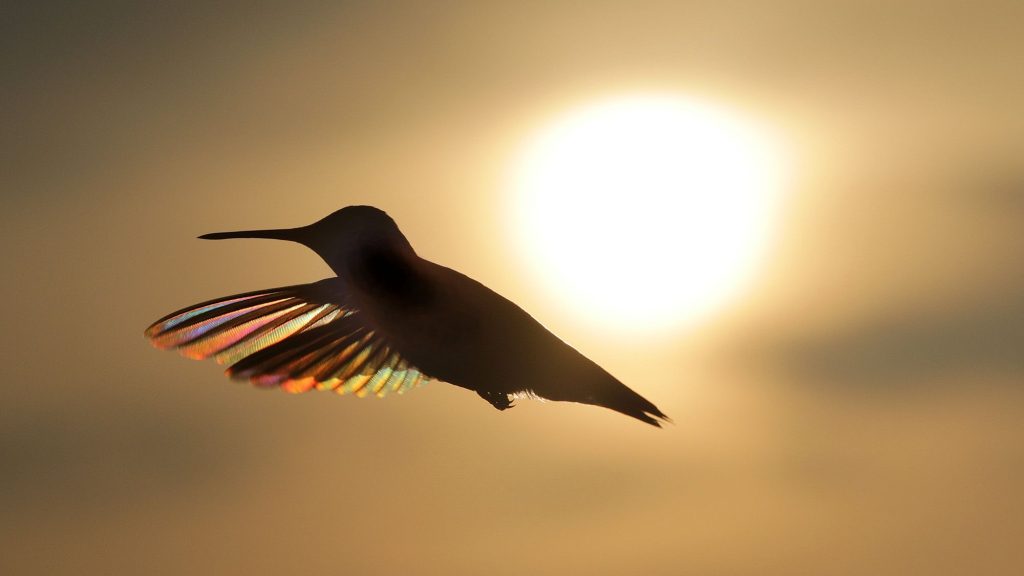
As summer transitions into autumn, migrating hummingbirds across North America gear up for one of nature’s most demanding physical journeys. To survive grueling flights toward wintering grounds in Mexico and Central America, these tiny birds depend heavily on suburban yards to refuel along their route.
This guide outlines three essential yard adjustments to support migrating hummingbirds as they build vital energy reserves for autumn. Property owners can assist passing birds by maintaining clean feeders, offering a safe four-to-one sugar nectar mixture, and keeping food sources available into late fall. Implementing these steps provides high-energy pit stops for both early migrants and late-season stragglers.
The Extreme Physical Demands of Fall Migration
Before embarking on their journey south, hummingbirds enter a state of extreme hyperphagia. During this phase of intense feeding, they consume enough nectar and insects to gain 25% to 40% of their total body weight in fat stores. This rapid weight gain acts as fuel for incredible physical feats, including non-stop flights over open water that can stretch up to 500 miles across the Gulf of Mexico.
A hummingbird’s metabolic rate during migration is astonishing. Flight requires their wings to flap between 15 and 80 times per second while their heart rate accelerates up to 1,200 beats per minute. Migration occurs in staggered phases rather than all at once. Adult males depart first in late summer, followed by adult females, and finally juvenile birds attempting the trek for the first time well into autumn.
Quick Reference: Fall Hummingbird Care
| Yard Tweak | Recommended Action | Critical Safety Rule |
|---|---|---|
| Feeder Sanitation | Scrub every 2–3 days with hot water and a bottle brush. | Do not use harsh chemical detergents. |
| Nectar Preparation | Mix 4 parts boiling water with 1 part white granulated sugar. | Never add red dye, honey, or artificial sweeteners. |
| Feeder Timing | Leave feeders active through October or until sightings stop. | Wait 2 full weeks without a sighting before taking feeders down. |
3 Essential Backyard Tweaks for Autumn
1. Maintain Clean and Fresh Feeders
Rising late-summer temperatures create ideal conditions for nectar fermentation and toxic black mold growth inside hummingbird feeders. Spoiled nectar deters hungry visitors and can transmit fatal fungal tongue infections to feeding birds.
Clean your feeders thoroughly every few days using hot water and a dedicated bottle brush. Always fill them with fresh liquid so passing travelers receive safe, reliable nourishment throughout their journey.
2. Stick to the Classic Nectar Formula
When preparing nectar at home, stick strictly to a recipe that replicates natural floral nectar. Combine four parts boiling water with one part pure white granulated sugar, stirring until the sugar completely dissolves. Allow the solution to cool fully before filling your feeder.
Avoid using honey, brown sugar, raw sugar, artificial sweeteners, or red food coloring. These additives contain compounds that cause organ damage, severe digestive trouble, or fatal infections in small birds.
3. Keep Feeders Out Through Late Autumn
A common misconception among bird lovers is that leaving feeders up in autumn will prevent hummingbirds from migrating south. In reality, ornithologists at the National Audubon Society confirm that migration timing is driven by shortening daylight hours and internal biological clocks, not food availability.
Keep your feeders clean and filled through October, or until two full weeks pass without seeing a single bird. Maintaining a ready food source provides a vital lifeline for late-season migrants and tired stragglers moving through your neighborhood.
Frequently Asked Questions
Will leaving feeders up in the fall stop hummingbirds from migrating?
No, food availability does not delay hummingbird migration. Their instinct to head south is triggered by changing daylight patterns and biological timing. Keeping feeders up simply provides energy for passing migrants.
What is the correct ratio for homemade hummingbird nectar?
The proper ratio is four parts water to one part pure white granulated sugar. Boil the water to dissolve the sugar easily, and let it cool completely before filling feeders. Do not add red dye or alternative sweeteners.
How often should feeders be cleaned in late summer?
Feeders should be cleaned every two to three days during warm weather. High temperatures accelerate sugar fermentation and mold growth, making regular scrubbing with hot water essential for bird safety.