
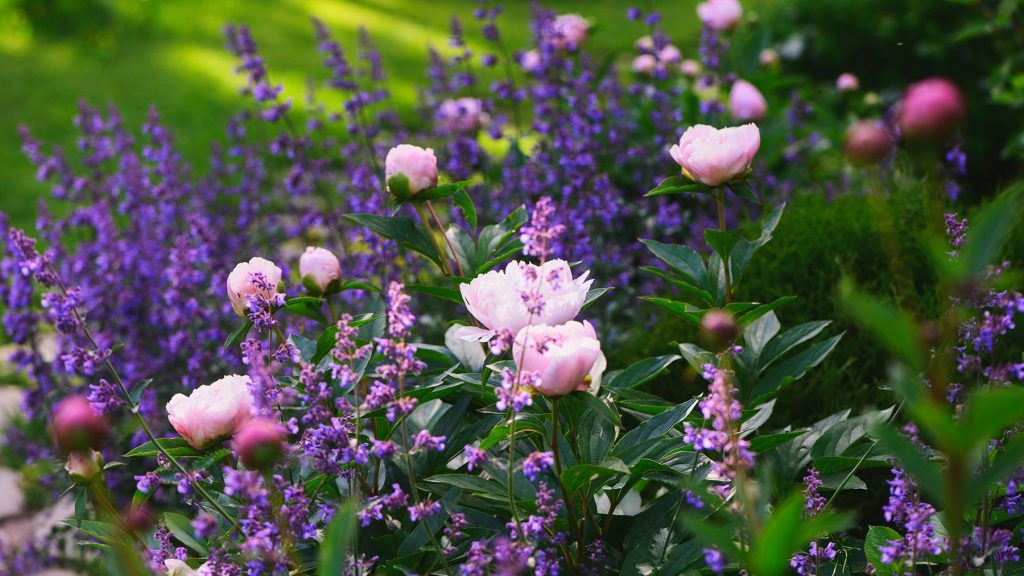
Buying fresh nursery stock every season can quickly strain any home gardening budget. Fortunately, late summer and early autumn present a prime opportunity to expand your garden beds without spending a single dollar.
This guide details how dividing established perennial plants in September generates new garden stock for free while renewing overall plant health. Ideal for spring- and summer-blooming species, this autumn procedure allows newly separated root systems to settle in warm soil before winter freezing, ensuring vibrant growth and controlled plant size for the upcoming spring.
Why Autumn Division Benefits Your Garden
As summer heat wanes, the soil remains warm while air temperatures cool down. According to horticultural advisor Noah Mabey, senior gardener at Thornbridge Hall, September offers the ideal conditions for splitting established perennials—plants that return year after year.
Over time, perennial clumps grow dense and overcrowded, which limits their access to soil nutrients and reduces flower production. Separating root masses gives each section renewed vigor, controls overgrown borders, and leaves you with extra plants to fill empty garden spots or share with neighbors.
Which Plants Can (and Cannot) Be Divided
Not every plant responds well to root division. The technique works best on spring- and summer-blooming perennials with clumping or fibrous root systems, while deep-rooted or woody species should be left untouched.
| Plant Species | Root Type | Divide in September? | Key Advice |
|---|---|---|---|
| Peonies, Hostas, Daylilies | Dense Clumps | Yes | Use a sharp spade or pry apart with dual forks. |
| Bearded Irises, Coneflowers, Shasta Daisies, Yarrow | Fibrous / Rhizomes | Yes | Replant at least 4 to 6 weeks before frost. |
| False Indigo, Globe Thistle | Deep Taproots | No | Disturbing the central taproot can kill the plant. |
| Lavender, Russian Sage | Woody Stems | No | Woody bases rarely regenerate after splitting. |
| Lupines, Foxgloves | Delicate Roots | No | High susceptibility to severe transplant shock. |
5 Steps to Successfully Divide Perennials
Following a precise method ensures your newly divided divisions survive the winter transition smoothly.
1. Lift the Base Carefully
Insert a garden fork or spade around the outer drip line of the plant to lift the entire root ball intact. Gently shake off excess topsoil to reveal the underlying root structure. Avoid dividing on harsh, bright days, as exposed roots dry out rapidly under direct sun.
2. Slice or Pry the Clump Apart
For large, dense masses, push two garden forks back-to-back directly into the center of the crown and lever the handles outward to separate the roots. For extremely tough root balls, slice straight through using a sharpened spade.
3. Use Precise Tools for Delicate Roots
Fleshy or tightly intertwined roots—such as those found on hostas—require clean cuts rather than forceful prying. A dedicated soil tool like a hori hori knife or a narrow pruning saw allows you to cleanly slice individual crowns apart with minimal structural damage.
4. Replant Immediately
Position divided sections into freshly prepared soil at their original growing depth, leaving adequate spacing for future spread. Complete this step at least 4 to 6 weeks prior to your region’s hard frost date so root networks establish firmly before the ground freezes.
5. Water Consistently
Saturate the newly bedded divisions thoroughly right after planting to settle the surrounding soil. Continue providing supplementary moisture on a weekly schedule throughout autumn until freezing temperatures arrive.
Harvest Fading Flowers for Free Seeds
Root division is not the only zero-cost propagation method available in early autumn. September is also the prime window to harvest mature seeds from fading blooms.
Instead of trimming off every spent flower during autumn cleanup, permit several healthy blooms to dry naturally on the stem. Once seed heads fully form, gather and store the seeds in a dry location for planting next season. Gathering seed stock guarantees you can replicate plants already proven to thrive in your microclimate.
Frequently Asked Questions
When is the ideal weather to split perennial plants?
It is best to divide plants on overcast, cool days or during early morning hours. Overcast conditions prevent exposed root systems from losing vital moisture while exposed to the open air.
How far ahead of winter frost should division take place?
Aim to complete all perennial divisions 4 to 6 weeks before your regional first hard frost date. This buffer period gives roots adequate time to anchor into warm autumn soil.
Why do taprooted plants fail when divided?
Plants with taproots rely on a single dominant root penetrating deep into the ground. Severing this main structural support causes severe damage that most woody or taprooted varieties cannot recover from.