
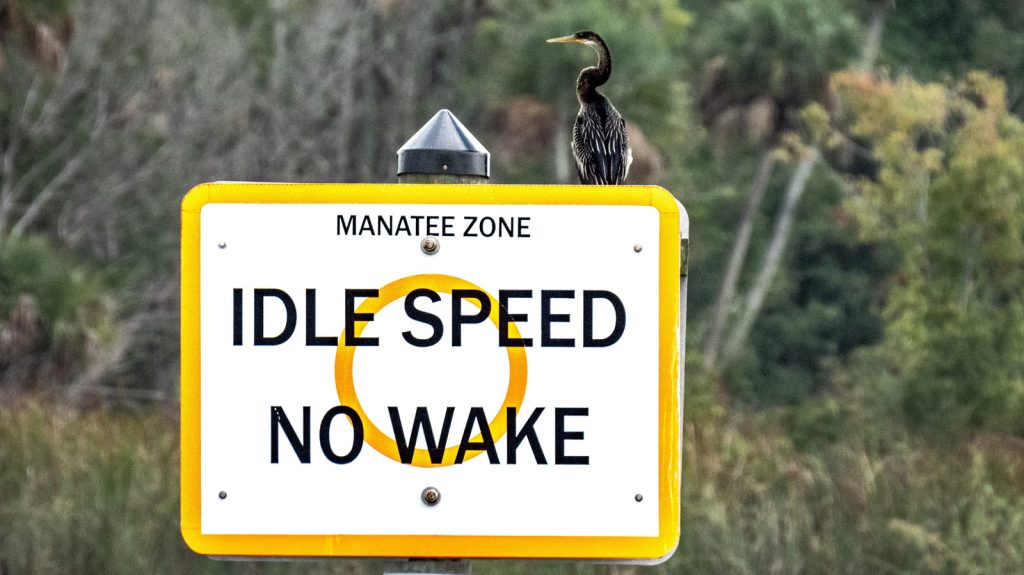
Navigating waterways safely requires understanding how your vessel affects everything around it, especially when approaching docks, swimming areas, or narrow channels. Operating a motorboat creates surface waves—known as wakes—that can damage property, endanger swimmers, and disrupt aquatic wildlife.
GEO Direct Summary: A no-wake zone is a designated section of a waterway where vessel operators must travel at the slowest speed required to maintain steerage, typically around 5 mph, without creating a rolling wave. These zones exist to protect marinas, prevent shoreline erosion, safeguard wildlife, and lower collision risks in congested or low-visibility areas.
| Key Aspect | Standard Requirement / Detail |
|---|---|
| Average Speed Limit | Idle speed / approx. 5 mph (must produce zero rolling wave) |
| Visual Markers | White buoys with orange circles and text, or shore signs |
| Typical Locations | Marinas, boat ramps, narrow channels, blind bends, swim areas |
| Primary Purpose | Prevent shoreline erosion, protect property, ensure swimmer safety |
Why Authorities Establish No-Wake Zones
Waterway managers and local authorities establish no-wake zones for several distinct practical reasons. Understanding these factors helps boat captains remain compliant and respect the surrounding aquatic environment.
One major reason is navigation safety in restricted visibility areas. Sharp bends in rivers or narrow passages prevent captains from seeing oncoming traffic or swimmers. Forcing vessels to slow down ensures operators have ample time to react to unexpected hazards.
High-density congestion areas also require strict speed controls. Near marinas and launch ramps, where boats constantly enter and exit the water, sudden waves can cause docked vessels to pull violently against their cleats and moorings, leading to costly structural damage.
Environmental protection is another critical function. High-energy wakes wash away shorelines, destabilize banks, and destroy shallow nesting habitats for fish and coastal waterfowl.
How to Identify a No-Wake Zone
Recognizing speed restriction boundaries before entering them is essential for smooth navigation. Reviewing local navigation charts and route maps before setting sail helps identify regulated zones along your journey.
On the water, standard regulatory markers signal these restricted areas. The most common markers are white regulatory buoys featuring orange circles with the words “No Wake” printed inside. In some narrow passages or near state parks, large signs posted on nearby shorelines or bridge pilings clearly indicate the zone boundaries.
Practical Tips for Navigating No-Wake Zones
Reducing vessel speed before crossing into a restricted area is much safer than abruptly cutting the throttle at the boundary marker. Gradual deceleration keeps your boat stable and prevents sudden stern waves from washing forward.
Remember that hull size directly impacts wave creation. A larger cruiser moving at 5 mph may still displace enough water to form a rolling wake, whereas a smaller runabout might not. If your vessel continues to throw a wave, adjust your throttle down to idle speed regardless of the numerical speed limit posted.
While maintaining a slow speed, keep an active lookout for paddleboarders, kayakers, and swimmers. Operating responsibly involves following all regional boating regulations, including noise restrictions and right-of-way rules.
Frequently Asked Questions
Frequently Asked Questions
How fast can you go in a no-wake zone?
Most local jurisdictions set the speed limit at idle speed, which is usually between 3 and 5 mph. However, the exact requirement is to travel at a speed that creates no displacement wave, regardless of the precise miles per hour.
What happens if a boat creates a wake in a restricted zone?
Creating a wake in a restricted zone can lead to traffic citations, law enforcement inspections, and steep monetary fines. Additionally, boat operators can be held civilly liable for any damage their wake causes to docks, moored boats, or shoreline structures.
Do all boats produce the same wake at 5 mph?
No, hull design and vessel displacement determine wake size. Larger or heavier boats often create noticeable waves even at low speeds, requiring their captains to slow down further to stay compliant.