
Finding the perfect running shoe requires balancing cushioning, weight, and surface demands to keep your feet comfortable and protected. Whether you are logging daily road miles, prepping for a marathon personal record, or tackling uneven dirt trails, selecting footwear tailored to your stride improves both performance and comfort.
This guide evaluates the leading footwear options for male runners based on extensive real-world testing across varied distances and paces. It highlights top performers in key categories—including overall training, beginner comfort, maximum cushioning, race day speed, budget value, and trail grip—helping runners select shoes tailored to their gait and goals.
Overview of Top Tested Men’s Running Shoes
| Model | Category | Weight | Heel Drop | Primary Surface |
|---|---|---|---|---|
| Nike Vomero Plus | Best Overall | 10.3 oz | 10mm | Road / Daily |
| Asics Novablast 6 | Best for Beginners | 9.2 oz | 8mm | Road / Daily |
| Puma Velocity Nitro 4 | Best Value | 8.7 oz | 10mm | Daily / Road |
| New Balance 1080v15 | Best Cushioned | 9.2 oz | 6mm | Road / Recovery |
| Asics Metaspeed Sky Tokyo | Best for Races | 6.0 oz | 5mm | Road Racing |
| Hoka Speedgoat 6 | Best Trail | 9.6 oz | 5mm | Off-Road / Trail |
Detailed Category Reviews
1. Nike Vomero Plus – Best Overall
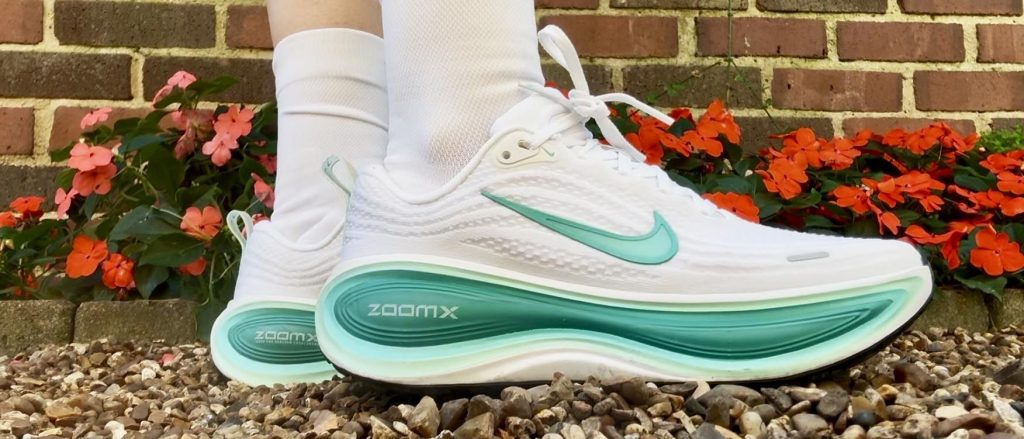
If you need a reliable shoe that brings fun back to daily training, the Nike Vomero Plus stands out. Packed with a substantial layer of springy ZoomX foam in the midsole, it delivers exceptional shock absorption while maintaining an unexpectedly lightweight feel for faster tempos.
The upper consists of a soft, highly breathable mesh that feels comfortable immediately out of the box without requiring a break-in period. It excels during easy daily miles and long marathon training blocks, though it comes at a higher price tag than baseline trainers.
2. Asics Novablast 6 – Best for Beginners
The Asics Novablast 6 refines an already popular formula by introducing a forefoot insert of FF Turbo Squared foam. This addition gives the shoe a livelier bounce off the toes while maintaining structural support across longer training sessions.
It provides an ideal combination of plush cushioning and energy return, making it easy for beginners to handle variable speeds. While slightly pricier than its predecessor at $155, its overall versatility makes it an outstanding daily workhorse.
3. Puma Velocity Nitro 4 – Best Value
Offering impressive performance at an accessible price point, the Puma Velocity Nitro 4 features a lightweight design paired with a responsive NitroFoam midsole. It handles speed sessions, tempo runs, and easy recovery efforts with ease.
The outsole offers excellent traction across wet pavement and mixed terrain. Runners who require strong stability should note its narrow midfoot base, but neutral runners will find exceptional performance per dollar.
4. New Balance 1080v15 – Best Cushioned
The New Balance 1080v15 swaps traditional foam for a new Infinion midsole compound. This update preserves impact protection while shedding unnecessary weight, yielding a smoother rocker transition during footstrike.
Its lightweight mesh upper remains cool and comfortable during long runs. While the foam can feel slightly less bouncy during high-speed workouts, it provides dependable comfort for easy recovery miles.
5. Asics Metaspeed Sky Tokyo – Best for Races
Designed for peak performance on race day, the ultralight Asics Metaspeed Sky Tokyo weighs just 6.0 ounces. Its midsole pairs FF Turbo+ and FF Leap foams around a full-length carbon fiber plate to deliver maximum forward propulsion.
The MotionWrap 3.0 upper holds the foot securely during aggressive cornering and high speeds. It helps maintain turnover efficiency when fatigue sets in during half-marathons and full marathons.
6. Hoka Speedgoat 6 – Best Trail
Off-road runners looking for multi-terrain reliability will appreciate the Hoka Speedgoat 6. Outfitted with a Vibram outsole featuring 5mm lugs, it grips securely on loose gravel, rocky paths, and muddy trails alike.
A balanced, protective foam core shields feet from sharp terrain without feeling clunky. It remains a top recommendation for everything from quick trail runs to mountain ultramarathons.
Other Models Worth Considering
- On Cloudboom Volt: A firm, snappy option suited for training and racing without excessive squish.
- Brooks Ghost 18: A stable, durable road shoe best suited for straightforward, easy-paced daily miles.
- Puma Deviate Pure Nitro: An agile daily trainer priced at $150 that transitions smoothly between slow and fast paces.
- Hoka Clifton Pro: A protective, highly cushioned option ideal for long recovery days on hard pavement.
- Saucony Endorphin Elite 3: A plush carbon-plated super-shoe offering high energy bounce for marathon racing.
- On Cloudboom Strike 2: A stable carbon-plated distance shoe providing a natural, smooth ride.
- New Balance SuperComp Rebel v1: A carbon-infused trainer that delivers high-speed bounce for tempo sessions.
- Saucony Triumph 24: An upgraded daily cushioned model featuring a lighter, energetic foam core.
How to Select the Right Running Footwear
Choosing the ideal pair begins with understanding your bio-mechanics. Visiting a specialty running shop to analyze your gait helps determine whether you need a neutral shoe or structured stability features to prevent overpronation.
Next, match the shoe to your primary surface and workout type. Road runners using hard concrete benefit from thick protective midsoles, while trail runners require deep outsole lugs for grip on uneven ground. Race-focused runners should look for lightweight builds with carbon plating.
How We Test Running Shoes
Every featured model undergoes rigorous field testing covering at least 50 miles across varying weather conditions, paces, and road or trail surfaces. Testers evaluate fit, upper breathability, midsole responsiveness, outsole grip, and overall long-term durability relative to retail price.
Frequently Asked Questions
Can men’s running shoes be worn for casual daily activities?
Using running shoes for walking, gym workouts, or everyday chores accelerates midsole foam compression and wears down rubber outsoles faster. Plated racing shoes in particular should only be used for fast running efforts to prevent awkward gait strain and unnecessary wear.
How many miles do running shoes typically last?
Most quality road and trail running shoes last between 300 and 500 miles depending on runner weight, surface hardness, and running style. When the cushioning loses bounce or you notice uneven sole wear, it is time to replace them.